Ground First, House Second: The Case for Buying the Land Beneath Your Future Home

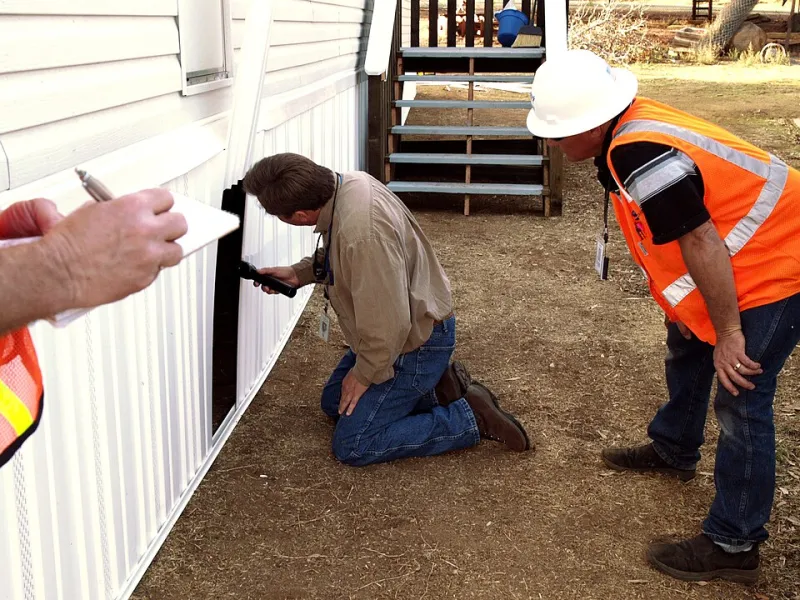
Photo: Saiphani02, CC BY-SA 4.0, via Wikimedia Commons
Walk through enough open houses and you will notice a pattern: buyers fall in love with kitchens. The island, the backsplash, the farmhouse sink — these are the details that close deals. Yet ask a seasoned appraiser what actually drives a home's value a decade from now, and the answer rarely involves countertops. It involves dirt. Where the lot sits, what surrounds it, and what the neighborhood is becoming matter more than nearly anything inside the four walls.
This is the logic behind an old real estate maxim that deserves a modern revival: buy the worst house on the best street you can afford.
Why the Lot Outlasts the House
Houses depreciate. Roofs age, HVAC systems fail, and finishes that looked current at closing look dated within five years. Land, by contrast, is finite and location-dependent. A modest ranch on a half-acre in a district of well-kept homes will typically appreciate alongside its neighbors, while a lavish build on a busy cut-through road fights an uphill battle from day one.
Appraisers understand this intuitively. When they evaluate a property, they start with location, lot size, and comparable sales in the immediate area. Improvements — the house itself — are measured against those fundamentals, not in place of them. A stunning renovation cannot relocate a home out of a flight path or away from a freight line.
What Makes a Lot Valuable
Not all land is created equal. When evaluating a property, focus on attributes you cannot change:
- Position within the neighborhood. Interior lots on quiet cul-de-sacs or along green space command premiums. Lots backing to arterials, power easements, or commercial strips generally do not.
- Topography and drainage. A gently sloping, usable yard beats a steep, eroding hillside. Walk the lot after a heavy rain if you can; standing water is a disclosure waiting to happen.
- School zone. Attendance boundaries are among the strongest, most durable value drivers in American residential real estate. Verify boundaries with the district directly — listings are not always current.
- Sun orientation and setbacks. A south-facing backyard, generous side yards, and mature tree cover shape how a home lives day to day and how flexible it is for future expansion.
- Setback and zoning headroom. A lot with room to add an accessory dwelling unit, widen a driveway, or expand a footprint carries optionality that a maxed-out lot simply cannot offer.
Reading the Neighborhood's Trajectory
The best street today is only half the equation. The other half is where the street is headed. Before committing, spend an afternoon on municipal and county websites:
- Pull the comprehensive plan. Most cities publish future land-use maps showing where commercial, higher-density, or mixed-use development is planned. A charming cul-de-sac zoned for future apartments is a different investment than one protected by single-family zoning.
- Check capital improvement budgets. Planned road widenings, new schools, and transit extensions are leading indicators of appreciation — and sometimes of unwanted traffic.
- Look at permit activity. A wave of renovation permits on modest homes signals owners investing in the area. A street dotted with rentals in declining condition tells a different story.
- Study teardown patterns. In established close-in suburbs — think the inner rings of Dallas, Atlanta, or Denver — modest homes on generous lots are routinely purchased, demolished, and replaced with new builds. If that pattern is emerging, lot value, not structure value, is setting the price. That can be an opportunity or a warning, depending on whether you want to live among construction cranes.
The Teardown Arithmetic
For buyers willing to be patient, teardown economics can be a genuine path to equity. The logic is simple: price the property as land plus residual structure. If lots on the street trade at $400,000 and the dated house on the lot adds little usable value, you are effectively buying dirt with shelter attached — often below replacement cost.
Before running those numbers, confirm the practical constraints: minimum lot sizes, tree-preservation ordinances, historic district overlays, and HOA architectural review can all block or complicate new construction. A quick call to the local planning department is the cheapest due diligence available.
A Lot Evaluation Checklist
Bring this list to your next showing:
- Lot is interior, quiet, and free of easements that limit building or privacy
- Boundaries confirmed with the school district, not the listing
- City comp plan shows no adverse rezoning on adjacent parcels
- Drainage and grading shed water away from the building site
- Setbacks allow the addition, ADU, or garage you may want later
- Neighboring homes show consistent maintenance and permit activity
- Flood zone, soil, and utility hookup costs verified in writing
The Bottom Line
Kitchens can be renovated in a season. Neighborhoods take a generation to change — for better or worse. Buyers who anchor their search in lot quality, school boundaries, and the direction of local development are making the one decision in real estate that is genuinely difficult to undo. Find the right piece of ground, and the house can follow.