Eleventh Hour Eyes: A Buyer's Guide to the Final Walk-Through Before Closing

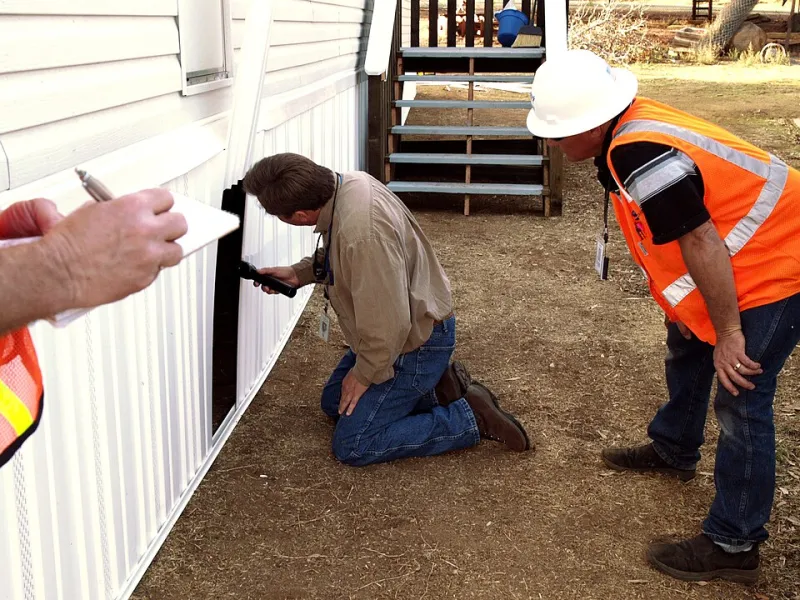
Photo: home buyer final walk-through inspection real estate closing, via i.pinimg.com
Closing day has a way of compressing judgment. After weeks of offers, inspections, appraisals, and lender paperwork, many buyers arrive at the final walk-through ready to sign anything just to be finished. That instinct is understandable — and expensive if indulged.
The walk-through, typically scheduled 24 to 48 hours before closing, exists for one reason: to confirm the property is in substantially the same condition it was when you agreed to buy it, and that any negotiated repairs were actually completed. It is not a second inspection. But it is the last practical moment to catch problems while you still have leverage.
What the Walk-Through Is Actually For
Three things belong on your agenda. First, verify agreed-upon repairs — bring the written repair addendum and receipts, not just your memory of the conversation. Second, confirm the home's overall condition hasn't changed since inspection. Third, confirm any inclusions — appliances, window treatments, that garage refrigerator — are still present and functional.
Sellers moving out cause damage more often than buyers expect. Movers scrape doorframes, packed boxes gouge hardwood floors, and removed wall-mounted televisions leave holes where you expected a clean wall. None of these are reasons to walk away, but all of them are reasons to speak up before funds change hands.
A Room-by-Room Approach
Kitchen and laundry. Run the dishwasher through a cycle if time allows, and at minimum confirm it powers on. Turn on the garbage disposal, check under sinks for fresh leaks, and test the range burners. Appliances that worked during inspection have been known to fail — or be swapped — between contract and closing.
Bathrooms. Flush every toilet. Run every faucet, watching what drains and how quickly. Look beneath vanities for moisture. A slow drain that appeared during the seller's move-out is a small problem today and a plumber's invoice next month.
Systems. Set the thermostat to heat, then to cool, and wait to confirm both respond. Test garage door openers and safety sensors. Flip every light switch — a dead circuit discovered at the walk-through is far easier to address than one discovered after you own it.
Everywhere else. Walk the exterior with your phone camera on. Photograph the yard, the fencing, and any areas where dumpsters or moving trucks may have left ruts or debris. Check that windows open and lock, and that doors latch. Note any holes in walls where fixtures were removed.
Documenting What You Find
Photograph everything questionable, with timestamps. Problems fall into rough tiers: cosmetic scuffs from moving day, which are rarely worth a fight; functional failures, such as a water heater that no longer produces hot water; and outright contract violations, such as a seller removing fixtures the contract explicitly included.
Keep the tiers separate in your own mind. Blurring them weakens your position on the issues that genuinely matter.
Raising Issues Without Blowing Up the Deal
Here is the tension every buyer should understand: by walk-through time, the seller has often already scheduled movers, signed paperwork on their next home, and arranged their own closing. A buyer who presents a list of twenty nitpicks invites the seller to dig in on all twenty. A buyer who presents one clear, documented, repair-linked deficiency usually gets it resolved.
The mechanics matter. Most issues are handled through a pre-closing settlement statement adjustment — a credit at closing, which is usually cleaner than asking the seller to arrange repairs in the final 48 hours. If a repair was contractually required and not done, your agent can hold back funds in escrow until it's completed. In genuine violations — removed fixtures, deliberate damage — an attorney letter or a delayed closing is an option, though rarely a necessary one.
What not to do: refuse to close over a scratched floor. Walk-through leverage is real, but it's a scalpel, not a sledgehammer. Buyers who treat minor cosmetic issues as deal-breakers often spend more in delayed-closing costs and rate-lock extensions than the original problem was worth.
Come Prepared, Leave Confident
Bring the contract, the repair addendum, your inspection report, a phone flashlight, a phone charger for testing outlets, and a written checklist. Bring your agent — a second set of experienced eyes is the single best safeguard available.
The walk-through takes forty-five minutes. Done well, it's the difference between closing on the home you thought you were buying and discovering the truth a week after the keys are yours. Give it the attention it deserves.