Read the Covenants Before You Fall for the Lobby: A Buyer's Field Guide to HOA Documents
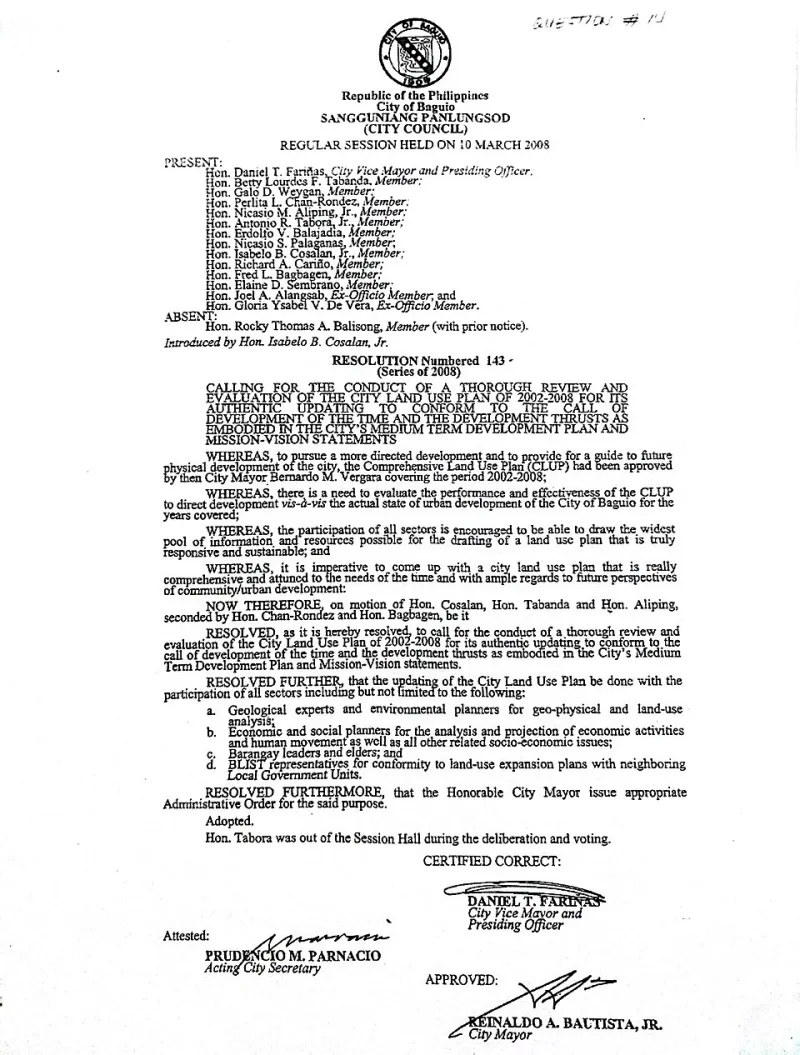
Photo: IsabeloCosalan, CC0, via Wikimedia Commons
The granite countertops gleam. The fitness center smells faintly of eucalyptus. And somewhere in an email attachment you haven't opened yet sit twenty, thirty, sometimes fifty pages of covenants, conditions, and restrictions that will dictate how you live — and what you pay — for years to come.
At Kunal Realty Services, we've watched buyers walk away from dream units after a careful document review, and we've watched others close confidently because they knew exactly what they were getting into. The difference is rarely luck. It's literacy.
Start With the Money, Not the Rules
The single most revealing document in any HOA packet is the budget. Request the most recent operating budget, the reserve study, and at least two years of meeting minutes. Together, they tell you whether the community you're about to join is financially solvent or quietly falling apart.
A reserve study estimates the lifespan of major shared components — roofs, elevators, pavement, pool equipment — and whether the association has set aside enough money to replace them. A healthy association typically funds 70% or more of its reserve obligations. A funding percentage in the 30s or 40s is not automatically a dealbreaker, but it is a conversation starter, ideally with a real estate attorney or a CPA who works with community associations.
Then read the minutes. Boards discuss leaks, litigation, and pending repairs in these meetings. If owners are debating a $2 million garage retrofit, you want to know before closing, not after your first special assessment arrives.
Special Assessments: The Expense Nobody Budgets For
Monthly dues are the visible cost of association life. Special assessments are the invisible one. When reserves fall short of a major repair, boards levy one-time charges that can run anywhere from a few hundred dollars to tens of thousands per unit.
Ask three questions: Has the association levied a special assessment in the last five years? Is one currently under discussion? And is the association adequately insured, including for the building's deductible?
Lenders ask these same questions. Fannie Mae and Freddie Mac have eligibility requirements for condo projects, and an association with thin reserves or heavy litigation can make your unit unfinanceable — a problem that affects not just your purchase but every future sale in the building.
Rental Caps and Resale Restrictions
Many associations limit the percentage of units that can be leased, sometimes to 20 or 30 percent of the building. If you buy into a community at the cap, you may be unable to rent your unit even temporarily — a hardship if a job relocation forces your hand.
Rental restrictions also matter for resale value. Investor-heavy buildings can face stricter lending scrutiny, while buildings with tight rental caps appeal to owner-occupants but can strand owners who need flexibility. Neither approach is wrong, but you should know which one you're buying.
Look too for rights of first refusal, board approval requirements for buyers, and any restrictions on leasing terms or tenant registration. These clauses are legal and common — but they should be a choice, not a surprise.
Board Politics Are a Feature, Not a Bug
Every association has a governing board, and every board has a culture. Meeting minutes reveal it quickly: Are debates recorded respectfully, or do they devolve into personal disputes? Is the board responsive to maintenance requests, or do owners report the same unresolved issues year after year?
A well-run association is one of the quiet advantages of shared-ownership living — professional management, consistent standards, protected property values. A dysfunctional one can make even a beautiful property feel like a part-time job. If possible, speak with a current owner before you commit. Most will tell you exactly what the documents won't.
The Rules That Shape Daily Life
CC&Rs govern the mundane details: pet weight limits, satellite dish placement, paint colors, guest parking, short-term rental bans, even the type of window coverings visible from the street. None of these rules is inherently unreasonable. But a restriction that conflicts with how you actually live — a 25-pound dog limit when your dog weighs 80, a ban on EV chargers when you drive electric — becomes a daily irritation you cannot vote away quickly.
Read the rules with your own life in mind, not in the abstract.
A Checklist for Your Next Showing
Before you remove contingencies, request and review:
- Current operating budget and year-end financial statements
- The most recent reserve study, including funding percentage
- Twelve months of board meeting minutes
- The CC&Rs, bylaws, and rules and regulations
- Insurance certificates, including master policy details
- Any pending litigation involving the association
- History of special assessments and dues increases
- Rental policies, including current cap utilization
Most states require seller disclosure of association documents, and many give buyers a statutory review period — five to fourteen days in which you can cancel and recover your deposit. Use that window. It exists precisely for this kind of scrutiny.
The Bottom Line
An association document review is not a formality; it's due diligence on the institution that will share governance of your home. Ten hours of careful reading can spare you a five-figure assessment, an unrentable unit, or a board battle you never signed up for.
Bring your questions to your agent, your attorney, and — when the numbers get complicated — a specialist. The lobby can wait. The fine print can't.