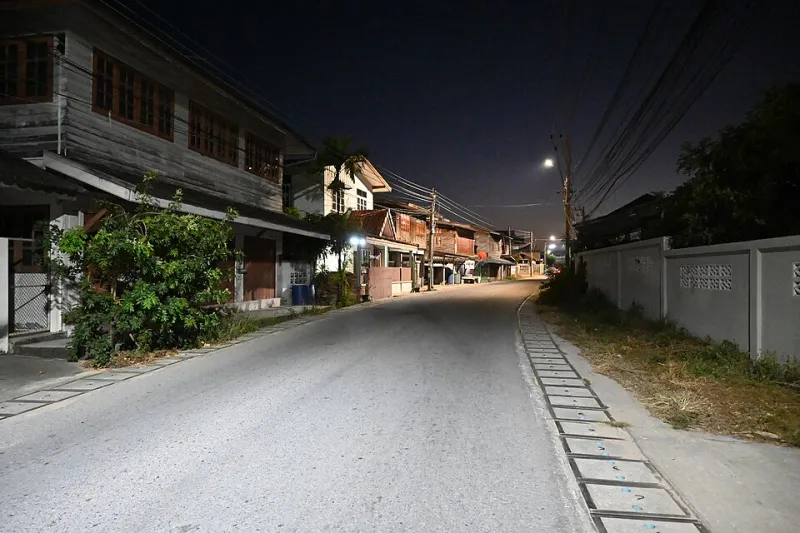
Before You Sign Anything: A Buyer's Guide to Judging the People Next Door
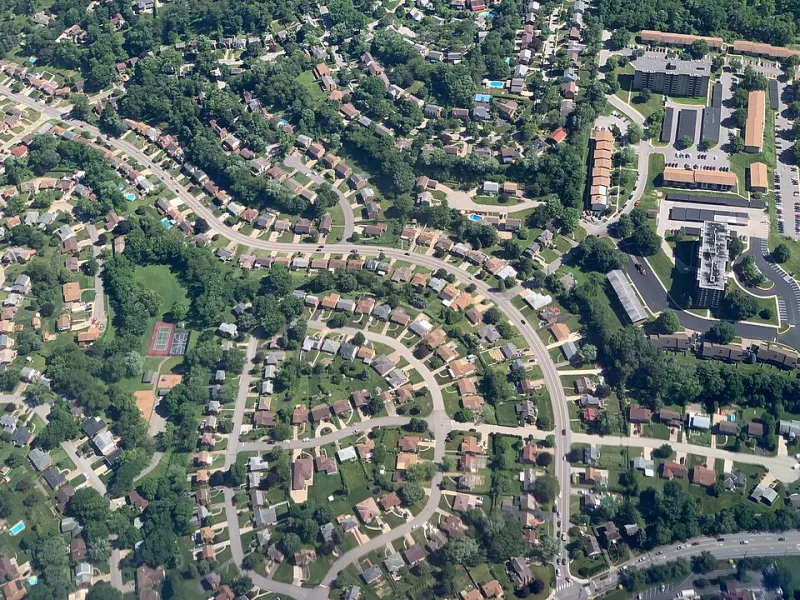
Photo: Tony Webster, CC BY-SA 2.0, via Wikimedia Commons
Buyers routinely spend hours comparing granite counters and closet space, yet almost none investigate the single factor most likely to shape their daily happiness: the people and properties that surround the home. You can replace flooring, repaint siding, and regrade a yard. You cannot replace a neighbor who runs an auto repair shop out of the driveway or an empty parcel slated to become a 24-hour distribution hub.
At Kunal Realty Services, we encourage every buyer to treat the surrounding properties as part of the purchase. Here is how to do it thoroughly — and politely.
Start With What You Can See
A showing is not just a tour of the house. It is a reconnaissance mission for the whole block. As you walk the property line, take note of a few quiet tells:
- Boundary clues. Fences that sit oddly, sheds that crowd the lot line, gardens or playsets that seem to spill past where the survey would place them. Encroachments are common, and while many end amicably, some mature into legal disputes that follow the property.
- Vehicle patterns. A single junk car under a tarp is one thing. Three inoperable vehicles, a boat on blocks, and a trailer parked on the grass suggest a relationship with local code enforcement you may inherit by proximity.
- Upkeep radius. Look beyond the adjacent lot. A block where two or three homes show peeling paint and collapsed fencing may signal broader disengagement — or an association that has stopped enforcing standards.
None of these observations is disqualifying on its own. But they form a pattern, and patterns are what you are actually shopping for.
Check the Public Record Before You Fall in Love
Most of what worries buyers about a neighborhood is legally visible long before an offer is made. A few hours of homework can surface issues that no listing photo will:
- Code enforcement and nuisance complaints. Many counties and municipalities publish searchable violation databases. Look up the address and the neighboring addresses. Repeated noise, trash, or zoning complaints tell you what daily life on that street actually sounds like.
- Sex offender registries. The national Dru Sjodin Law NSOPW database and every state's registry allow address-based searches. This is public information, and any diligent buyer should use it.
- Planned development next door. That wooded lot beside the backyard? Check the county planning department's docket. Rezoning requests, subdivision plats, and commercial site plans are typically posted for public comment before approval. If a three-story duplex or a storage facility is coming to the lot line, you want to know before closing, not after the bulldozers arrive.
- Permit history. A neighbor actively pulling renovation permits suggests investment and stability. A street with no permits in a decade tells a different story.
Your buyer's agent can help coordinate this research, and a good real estate attorney can review anything that raises a flag.
The Knock: How to Actually Talk to Neighbors
The most reliable intelligence on any street comes from the people already living on it, and most are surprisingly willing to share — if you approach with courtesy and a light touch. The open house or a second visit is a natural opening. When a neighbor waves or wanders over, here are a few questions that earn honest answers:
- "How long have you lived here?" Longevity is the single best signal. People stay on streets they like.
- "What do you wish you'd known before you moved in?" This framed question invites the good and the bad in equal measure — the train horn, the annual block party, the flood-prone corner.
- "How is the street during storms or outages?" Neighbors know where the water pools and which power lines fail first.
- "Anything being built nearby?" Locals usually hear about developments before the county posts them.
Avoid leading questions like "Is it quiet here?" — they invite polite reassurance. Open-ended prompts get you the truth, including the parts a seller would rather you didn't hear.
If no one is outside, a brief, friendly door-knock works more often than buyers expect: "Hi, we're considering the house at number 42 and just wanted to introduce ourselves." You will learn more in five minutes of conversation than in an hour of Zillow scrolling.
Weigh It Like Any Other Finding
Every property has flaws. The question is whether the neighbor-related ones are tolerable, negotiable, or disqualifying. A minor fence encroachment may be resolved with a boundary agreement. A registered nuisance property three doors down may be worth a call to code enforcement — or a pass. A planned apartment complex on the adjacent lot may simply reprice what the home is worth to you.
The point is not to demand a flawless street. It is to make your decision with open eyes, the same way you would with a foundation crack or an aging roof. The house is only half of what you're buying. The other half lives next door — and unlike the house, it comes with no inspection contingency.