Chickens Before Condos: Evaluating Small Acreage on the Edge of the Commute Zone
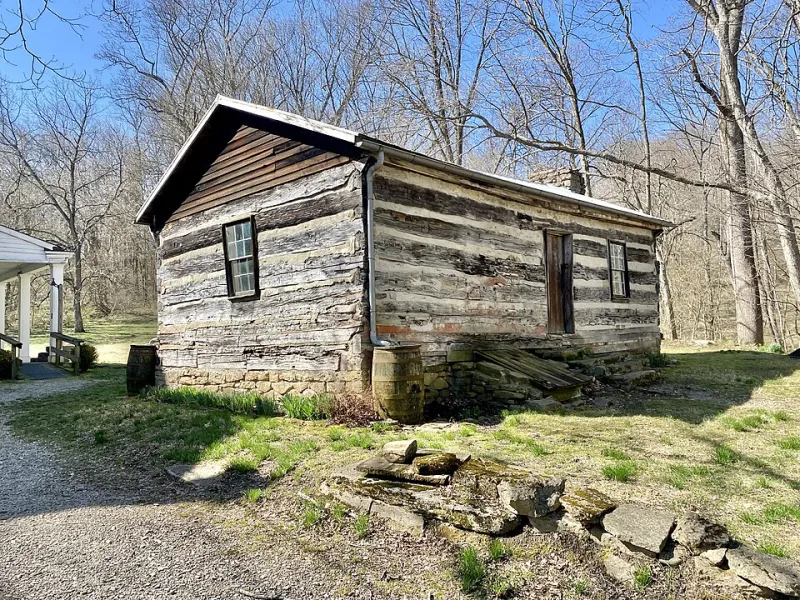
Photo: w_lemay, CC BY-SA 2.0, via Wikimedia Commons
A quiet migration is reshaping the outer edges of America's metro areas. Buyers who spent the last decade comparing cul-de-sacs are now comparing soil, well yields, and the distance to the nearest fiber line. The profile is consistent: a household that wants a few acres, maybe some laying hens, a large garden, and night skies — but still needs to be at a desk, or at least on a video call, by nine.
The good news is that the band of territory 30 to 60 minutes beyond most mid-size metros offers genuine inventory at prices per acre that would be unthinkable inside the beltway. The caveat is that rural-adjacent property operates under different rules than suburban real estate, and buyers who evaluate it with suburban assumptions routinely get burned.
Water and Waste: The Two Systems That Make or Break a Homestead
In town, you connect to municipal services. On three acres outside town, you are the utility company. Two inspections matter more than any others.
The well. Ask for the well log, a flow-rate test, and a potability test. A well that produces 5 gallons per minute is comfortable for a household; one producing 1.5 GPM may require storage tanks and lifestyle adjustments. Test for bacteria, nitrates, and anything relevant to local geology — arsenic in parts of the Southwest and Midwest, for instance. Also establish water rights where applicable, particularly in western states where they are separate from land ownership.
The septic system. Locate the tank and drain field, confirm the system is permitted, and ask its age. A failing septic system can cost $15,000 to $30,000 to replace, and in some jurisdictions a failed system must be repaired before sale can close. Pump records tell you how recently it was maintained; a system never pumped in twenty years is a warning, not necessarily a dealbreaker.
Zoning, Easements, and the Fine Print of Freedom
Rural land often carries restrictions that suburban buyers never encounter. Before falling for a parcel:
- Verify zoning and permitted uses. 'Agricultural residential' can mean anything from unlimited livestock to a two-hen maximum. If chickens are the plan, get the ordinance in writing from the county, not the listing sheet.
- Pull the deed and title work early. Easements — for a neighbor's driveway, a utility corridor, or an old logging road — can dictate where you build, fence, or plant.
- Check for conservation easements or agricultural districts, which may limit development but can also reduce property taxes.
- Confirm road maintenance. A private road shared by five households means a maintenance agreement, or the absence of one, which is worse.
Connectivity: The Dealbreaker Hiding in Plain Sight
Rural internet has improved dramatically, but availability is parcel-specific in a way suburban buyers find hard to believe. Two houses a quarter mile apart can have entirely different options. Verify with providers directly — not the seller — whether fiber, fixed wireless, or Starlink-class satellite is the realistic path, and test actual speeds during your inspection period if you work remotely. Cell coverage deserves the same verification; walk the property with your phone and note dead zones.
Financing a Property the Suburban Way Won't Cover
Conventional mortgages can struggle with rural properties, particularly those with outbuildings, mixed-use acreage, or unusual layouts. This is where USDA loans deserve attention. Despite the name, USDA Rural Development loans are available in many commuter-adjacent areas that buyers assume are 'too close to town,' and they offer zero-down financing for eligible properties and income-qualified borrowers. An experienced local lender can tell you within a day whether a target parcel qualifies.
For properties that don't, look for lenders familiar with rural appraisal comparables — an appraiser pulling suburban comps for a 5-acre homestead is a recipe for a low valuation and a collapsed deal.
The 45-Minute Test
Finally, do the commute before you commit — in both directions, at actual rush hour, in the season you'll be living in it. A 35-minute drive in July can be 55 in a February ice storm. Time the drive to the nearest hospital, grocery store, and school. Rural living rewards self-sufficiency, but the smartest homestead buyers are the ones who know exactly how far the nearest everything is.
The dream of a small acreage within reach of a paycheck is entirely achievable — but it rewards diligence over romance. Walk the land twice, test the water, read the deed, and the quiet life will still be there when the paperwork is signed.