Reading the Fine Print of Generosity: When a Seller's Concession Is a Gift — and When It's a Warning

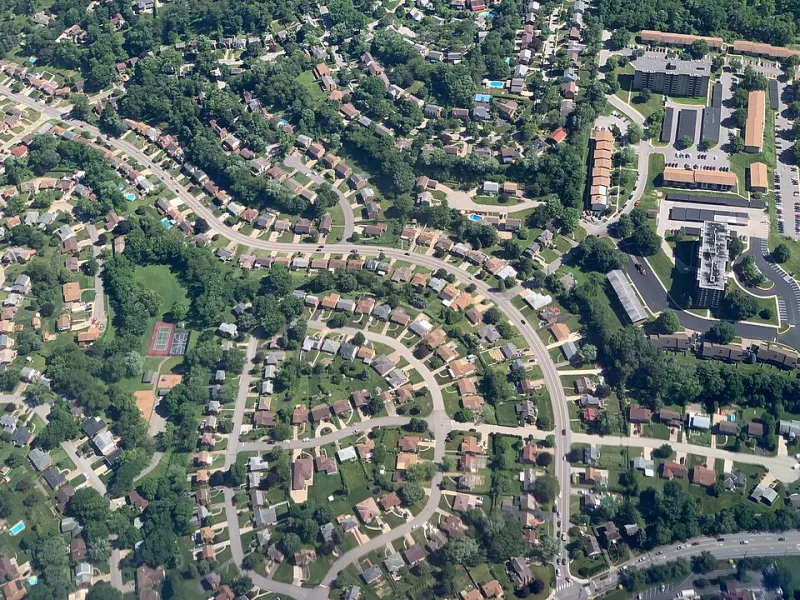
Photo: Grant Hammond, CC BY-SA 4.0, via Wikimedia Commons
For most of the past half-decade, American sellers held every card. Homes drew double-digit offers within a weekend, inspection contingencies were waived, and the phrase seller concession practically vanished from the lexicon. That era is over. In markets from Phoenix to Raleigh to suburban Dallas, buyers are once again seeing something unfamiliar on the settlement sheet: sellers offering to pay points, cover repairs, or hand over thousands in closing costs.
Generosity, however, is not always what it appears. A concession is a form of communication — sometimes a signal of reasonable flexibility, sometimes a flare marking deeper trouble. Learning to read the difference can save a buyer tens of thousands of dollars, or steer them away from a purchase they'll regret.
Why Concessions Have Returned
The mechanics are simple. Elevated mortgage rates have stretched affordability to its limit for many buyers, and sellers who priced their homes during the frenzy of 2021 and early 2022 are discovering that today's buyers simply cannot stretch that far. Rather than cutting the list price — which becomes part of the home's public sales history and can invite lower offers — many sellers prefer to keep the headline number intact and quietly subsidize the buyer's financing.
A common structure is the temporary rate buydown, in which the seller deposits funds into an escrow account that reduces the buyer's interest rate for the first one to three years. A 2-1 buydown, for example, might cut the rate by two points in year one and one point in year two before it resets. On a $400,000 loan, the seller might contribute $10,000 to $15,000 to make the monthly payment look dramatically better out of the gate.
Other concessions take more familiar shapes: credits toward closing costs, contributions to earnest money, or repair credits negotiated after inspection. Each tells you something different about the seller — and the house.
What Each Concession Confesses
The rate buydown is often a marketing instrument. Sellers (and their agents) use it to keep a listing's price visible while lowering the effective monthly payment. It can be a genuinely good deal for the buyer — the money is real either way — but it frequently appears on homes that have sat longer than the seller hoped. Ask how long the property has been listed. If a buydown shows up alongside 90-plus days on market, the seller is motivated, and that motivation is leverage you can use elsewhere in the negotiation.
Closing cost credits requested by the buyer are routine and healthy; offered by the seller unprompted, they usually signal urgency. This is often the most benign concession, particularly for first-time buyers stretching to cover cash-to-close. There is little downside — provided the underlying price still appraises.
Repair credits deserve the closest scrutiny. A seller offering a credit in lieu of fixing a problem is transferring responsibility to you. Sometimes that's fine — you'd rather choose your own contractor anyway. But a credit attached to a significant defect (foundation movement, an aging roof, an outdated electrical panel) can be a way of laundering a serious issue into a line item. Get independent bids before accepting, and confirm the credit is enough to actually cure the problem, not just paper over it.
The Concessions That Should Make You Pause
Not all generosity warrants a thank-you note. Watch for these patterns:
- A large concession stacked on top of a firm price. If a seller refuses to reduce price by $10,000 but will hand over $10,000 in buydown funds, ask why. Often it's about protecting the neighborhood's comparable sales — which is legitimate — but occasionally it's because an appraisal already came in low and they're restructuring around it.
- Concessions offered before inspection. Money dangled before you've had the home examined can be an attempt to discourage you from inspecting closely at all. Never trade your contingency rights for a credit.
- Concessions that only work with one lender. If a buydown is contingent on using a specific mortgage company, the arrangement may be compensating someone in the transaction. Run the numbers independently.
- Credits for problems that affect insurability or safety. An old roof or a questionable electrical system isn't just a repair line — it can affect your ability to obtain homeowner's insurance and, eventually, to resell. Walk away from these more often than not.
How Buyers Should Negotiate in This Environment
Concessions have shifted the balance of leverage back toward buyers in most of the country, but leverage only pays if you use it deliberately. A few practices worth adopting:
- Price the concession into your offer. A $15,000 buydown on a $500,000 house is not free money; it's a 3% discount wearing a costume. If the seller will concede that much, they'll often accept a lower price too — and a lower price lowers your property taxes and long-term carrying costs in ways a temporary buydown never will.
- Compare the buydown to simply paying points yourself. If you have the cash, a permanent rate reduction you purchase at closing may outperform a seller-funded temporary one, especially if rates fall and you refinance before the buydown period ends.
- Keep the inspection. No concession, however large, should come with the implicit condition that you skip due diligence. The homes that attract the biggest pre-inspection sweeteners are frequently the ones that need it most.
- Ask your agent about the listing's history. Prior price cuts, expired listings, and the seller's timeline all shape how much concession room actually exists.
The Bottom Line
A concession is neither a gift nor a red flag on its own — it's data. Sellers use them to solve specific problems: preserving a price point, compensating for affordability, or moving past a defect without doing the work. Your job as a buyer is to identify which problem the money is solving before you accept it.
In a cooling market, the buyers who thrive are not the ones who grab the shiniest incentive, but the ones who ask the quiet question behind every offer of help: what does the seller know that I don't? Ask it early, verify the answer, and the house that haggles back may turn out to be a very good deal indeed — or a costly lesson elegantly disguised as one.